


Healthcare is one of the most important and competitive industries in the world.
Over the past few years, it’s been getting reshaped by different forces such as artificial intelligence and digital marketing. For healthcare providers, investors, and innovators, knowing what is trending and what is doing well is vital if you want to stay ahead of the curve.
Global health spending continues to go up; digital health investments are starting to rebound, and new therapies are redefining pharmaceutical markets.
But not all is positive. Providers are facing staffing shortages and cybersecurity threats like never before. All while trying to improve their operational efficiency and patient outcomes.
This article aims to show you 45 of the most important healthcare statistics to follow this year.
Want to improve your healthcare website but don’t know where to start? Let us help.
Our Top 45 Healthcare Statistics for 2026
This list is in no particular order; each section is as important as any other and should be considered when investigating healthcare information.
General Healthcare Statistics
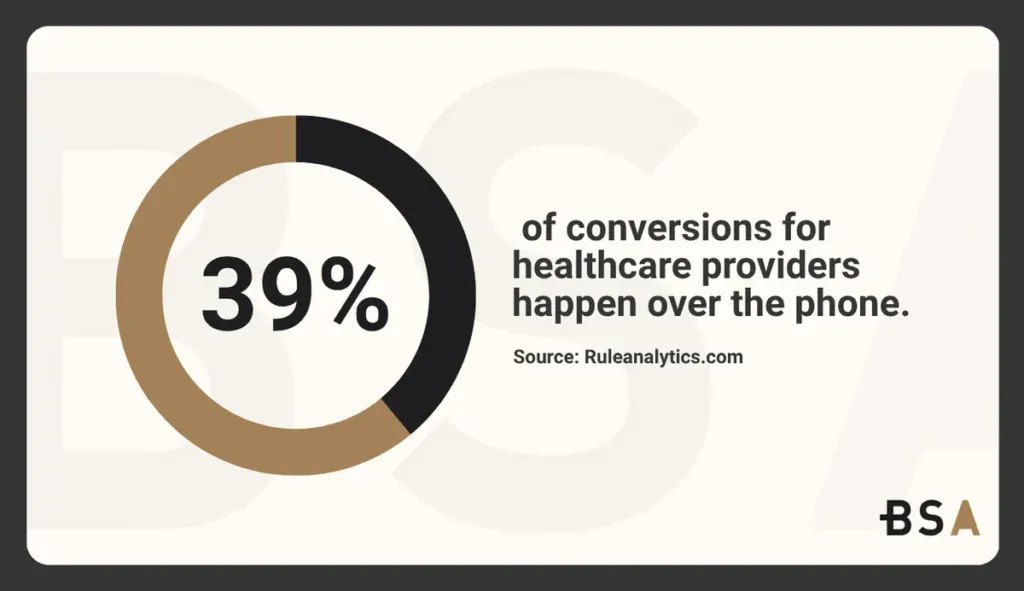
1. 39% of conversions for healthcare providers happen over the phone.
2. The cost per click (CPC) for healthcare-related Google Ad campaigns is $4.70.
3. There will be more than 1.70 billion users all over the world in the digital healthcare market by 2029.
4. The overall open rate of healthcare emails is 41%.
5. More than 70% of patients in the United States check for reviews before changing doctors.
6. Around 79% of healthcare providers want to use SEO to reach more users.
7. 70% of healthcare professionals feel like pharma representatives don’t fully understand what is needed or expected from them.
8. Global OECD economies generally spend around 10% of GDP on health.
9. U.S. national health spending is expected to reach $5.6 trillion in 2026, with hospitals being the main component.
10. There are 6,093 hospitals in the United States as of 2026.
11. It’s estimated that 8% of the U.S. population lacked health insurance last year.
12. There are around 38.4 million people in the U.S. with diabetes.
13. There are also roughly 98 million people in the U.S. with prediabetes.
Some of these healthcare statistics only help us know how much digital is affecting the healthcare industry. It’s no longer an option to use digital marketing to help your healthcare business; it’s a necessity.
Email is still consistently higher in the healthcare industry when compared to other major industries out there. Healthcare email campaigns should be an essential part of any modern digital marketing campaign for healthcare providers.
Pharma marketing is slowly going through a shift where it is building strategies around actual clinical needs over generalized content. This includes modernizing healthcare websites.
Patients are now searching for everything before going to a healthcare provider’s website as well. From reviews to search rankings, every single piece of information influences the way they perceive a healthcare provider.
Search Related Healthcare Statistics
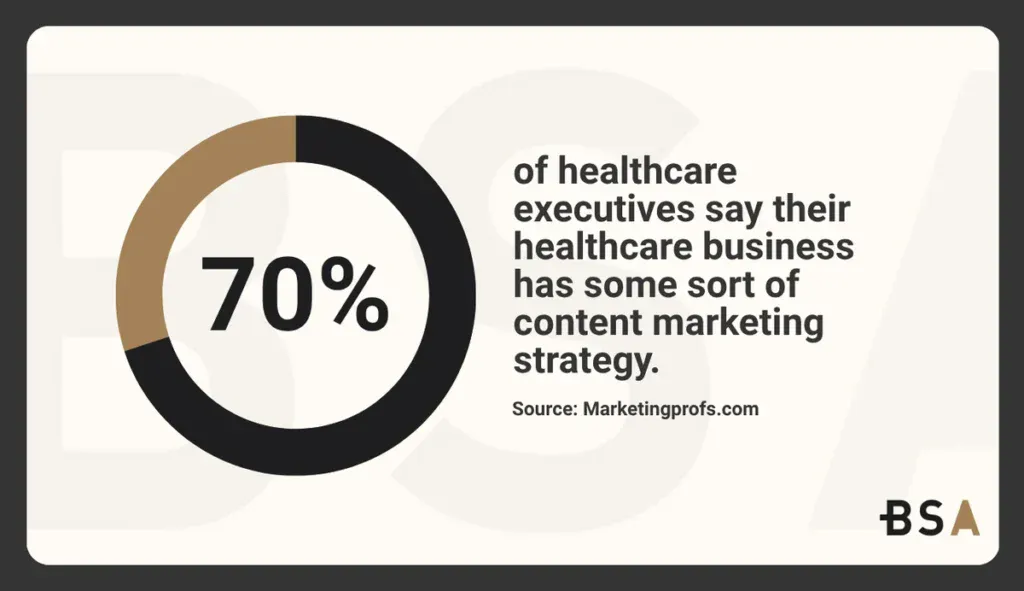
14. 70% of healthcare executives say their healthcare business has some sort of content marketing strategy.
15. Around 50% of United States citizens purchased a health-related product after seeing it on social media.
16. United States citizens often turn to social media influencers for advice on topics such as depression, weight loss, and anxiety.
17. Approximately 7% of all Google searches are health-related.
18. 55% of users in Europe reported that they use Google to look for information related to nutrition, health improvement, injury, and disease.
19. Tiktok is one of the main ways Americans look up their conditions, with 1 in 5 using it before talking to a doctor.
With users all over the world turning to Google searches for any health question or doubt they have, it’s imperative for healthcare brands to build strategies around this behavior.
Responding to different questions on Google, Instagram, Facebook, and even Facebook can drastically increase the odds of capturing user attention instead of losing it.
Healthcare marketing has moved almost fully online. That’s why marketing strategies such as SEO and email marketing need immediate attention. Because patients will now prefer to consult Google before picking a provider, which means that appearing high in search results is vital.
With social media being one of the major channels for health information, having strategic partnerships with the right influencers can expand your reach and place your services in front of people who might be looking for said services already.
Population Healthcare Statistics
20. The top 3 causes of death in the U.S. are still heart disease, cancer, and unintentional injuries.
21. An estimated 7.2 million Americans who are over 65 years old are living with Alzheimer’s dementia in 2026.
22. The American Cancer Society projects around 2 million new cancer cases in the U.S. alone this year.
23. Adult overweight prevalence is still at an all-time high where 40% is the overall estimate worldwide.
24. There is a rising mortality rate for the youth, mainly due to chronic illnesses such as heart disease and diabetes.
Explore how we reduced Deep AI’s bounce rate by 21% with a custom website redesign in our latest case study.
Workforce & Staffing Healthcare
25. The Congress pushed legislation to add thousands of Medicare-funded GME slots to address future shortages.
26. Several 2026 predictions suggest a persistent nursing shortfall by 2030 unless training and retention rates increase.
27. Rural hospitals report a consistent loss of staff and difficulty in recruiting specialty and nursing staff.
28. A physician well-being survey revealed that 47% of physicians reported burnout this year.
29. In response to healthcare shortages, hospitals expanded various programs to grow local supply.
30. American reports continue to warn of a physician shortage. It is estimated that there will be 13,500 to 86,000 physicians by 2036 with our latest predictions.
Healthcare Misinformation
31. Misinformation is at an all-time high, with 82% of users reporting that they have seen misinformation on social media.
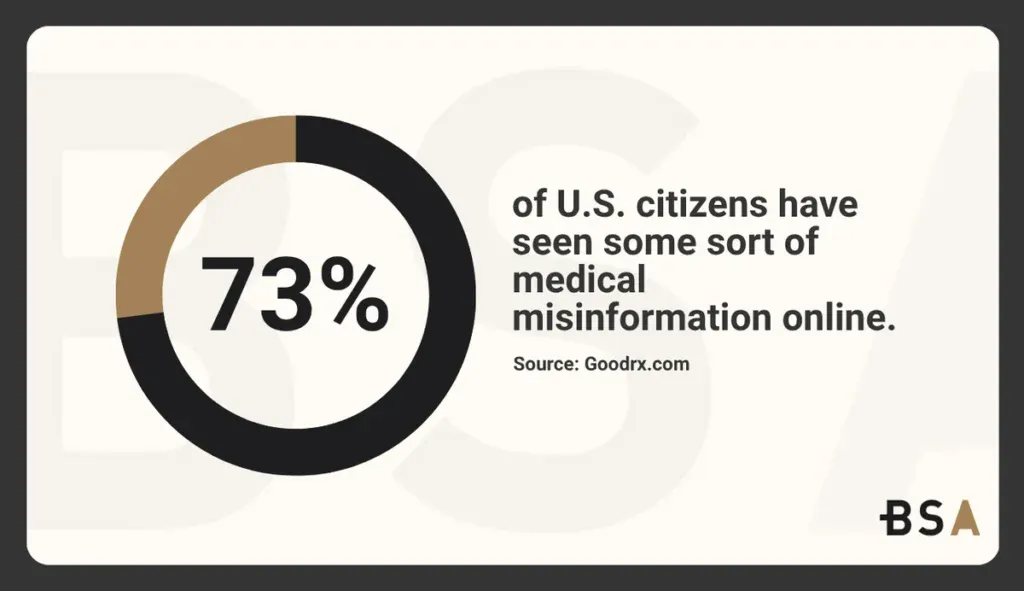
32. Around 73% of U.S. citizens have seen some sort of medical misinformation online.
33. COVID-19 had a misinformation rate of 51% due to false claims about vaccines.
With the sheer amount of inaccurate health information online, credibility should be prioritized at all time in your healthcare marketing strategy. Use vetted and authoritative sources to help separate your content from misleading and clickbait articles that spread lies to patients in need.
Despite the shift towards digital marketing, traditional marketing and media still remain as important trust building pillars for many patients. Collaborating with respected community publications can improve your local reputation and broaden your reach in your city.
If you’re using social media to promote your healthcare firm, make sure that all of the content you post, repost, and interact with is up to date and verified by experts.
Misinformation can be a significant threat and risk to your healthcare organization, both legally and for your reputation. By completely avoiding fake or improbable claims in your digital marketing strategy, you can safeguard your healthcare brand and reduce the odds of public criticism.
Social Media Healthcare Statistics
34. Facebook is the leading social media platform for growth for healthcare companies in 2026, with a 10% weekly follower growth.
35. Healthcare companies post at least eight times per week on Instagram.
36. The engagement rate on Instagram for the healthcare industry is 5%.
37. Around 98% of healthcare providers in the United States are on Facebook.
38. 94% of healthcare businesses in the United States use YouTube.
39. Facebook has an average engagement rate of 1.9% for the healthcare industry.
Online Reviews For Healthcare
40. Half of the patients reported that they were willing to go to another insurance network if the online reviews convinced them to.
41. Over 80% of consumers say that they are not satisfied with their healthcare experience.
42. Users only need six different reviews to form an opinion about your healthcare company.
43. Around 94% of healthcare patients use online reviews to learn more about their healthcare providers.
44. More than 84% of customers trust online reviews as much as personal recommendations when it comes to healthcare.
45. Millennials might switch practices in the next year if healthcare shortages continue to occur.
Get a Custom Healthcare Web Design That Converts With Blacksmith
After going through this list of the top healthcare statistics, it is clear how important it is for healthcare companies to stay on top of digital marketing and why having a good website is key for conversions.
But let’s face it, creating a brand-new website for your healthcare company will take weeks and even months to build; this is without even considering all the maintenance it will need every month. This is time you could spend on other aspects of your business. So what now?
That’s where we come in. Blacksmith is a healthcare web design agency with a group of professionals web designers with years of experience in creating websites for healthcare brands.
We will ensure that your website stands out from your competitors and that it has every important feature that big healthcare websites should have.
Still unsure if investing in a custom healthcare website is the right choice?
Don’t worry, click here to schedule a call with us, and we’ll provide you with a free website audit. This way, we can show you the areas where your current website needs improvement and how a brand-new website would solve all those issues and more.