


At least 46% of consumers are willing to pay more for a brand they trust.
But how do you get to that point where customers completely trust your brand? You need amazing and unique branding for starters, especially in the corporate world.
The best corporate brands do more than just look good; they create loyalty and build emotional connections with their clients.
The following 20 corporate branding examples showcase how the biggest and most influential brands in the world display themselves to the world and why they work.
Trying to improve your branding but don’t know where to start? We can help.
Our 20 Favorite Corporate Branding Examples of 2026
The order of this list shouldn’t affect your perception of the brand or how good it is.
This list of corporate branding examples is filled with the best of the best when it comes to branding, so make sure to learn from every single one of them.
1. Apple: Minimalism and Consistency
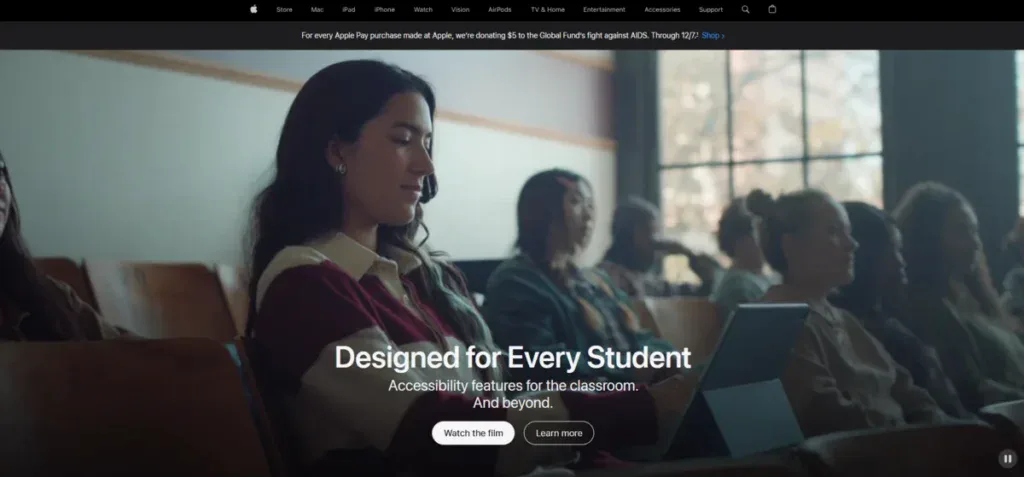
Apple is the gold standard when it comes to corporate branding examples. Its design-driven approach communicates simplicity, elegance, and a sense of premium value in every single element it sells: The ecosystem.
Their branding is effective because it never strays from minimalism.
Every message, visual, and product reinforces the idea that Apple, as a company, represents innovation and simplicity. Their ecosystem approach is central to the brand’s identity, which puts Apple as a lifestyle choice and not just another tech company.
Brand Lesson: Consistency builds trust.
When all your details align with your brand identity and beliefs, consumers will see your brand as you want them to see it.
2. Nike: Emotional Storytelling and Social Impact
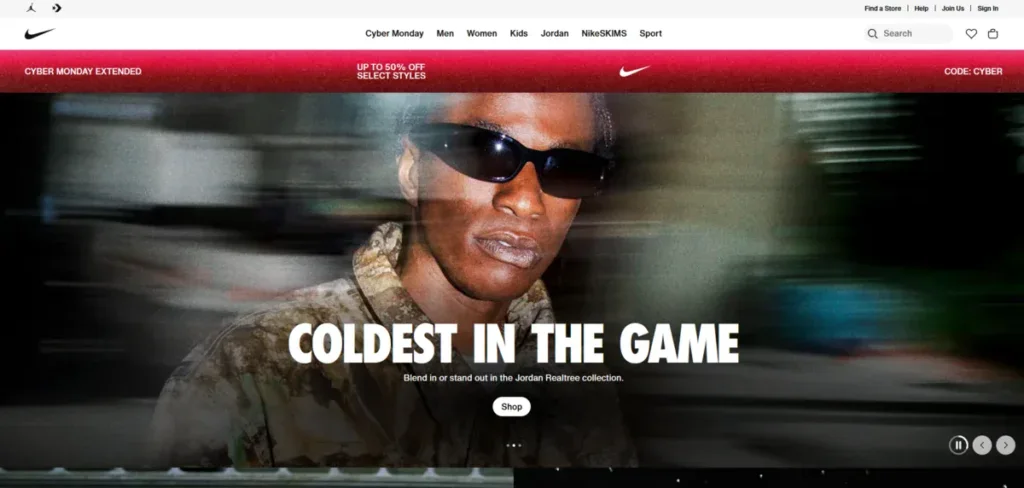
Nike has built one of the biggest and most successful emotional brands in history. Its “Just Do It” philosophy is more than a quick tagline; it’s a mindset and how it approaches everything brand-related.
Nike consistently aligns itself with athleticism, empowerment, perseverance, and, most importantly, self-belief.
Another big part that defines Nike’s branding in 2026 is social impact.
Through its athlete partnerships, inclusive campaigns, and initiatives, Nike has cemented itself as a cultural leader.
Brand Lesson: Exceptional storytelling elevates the customer’s identity, not the product, which in turn creates unshakable loyalty.
3. Google: Human-Centered Design
Google is one of the best corporate branding examples on this list due to its clarity, friendliness, and ease of use. It makes it as simple as possible to use its interfaces so that they are easily accessible to anyone who wants to be a part of Google’s user base.
Their design is also easily recognizable due to the multicolored logo they use and replicate on all their apps.
In 2026, Google’s branding is all about seamless integration with AI, productivity tools, and its own software.
Brand Lesson: Build trust in every interaction by making it simple and useful.
4. Patagonia: Sustainability at its Core
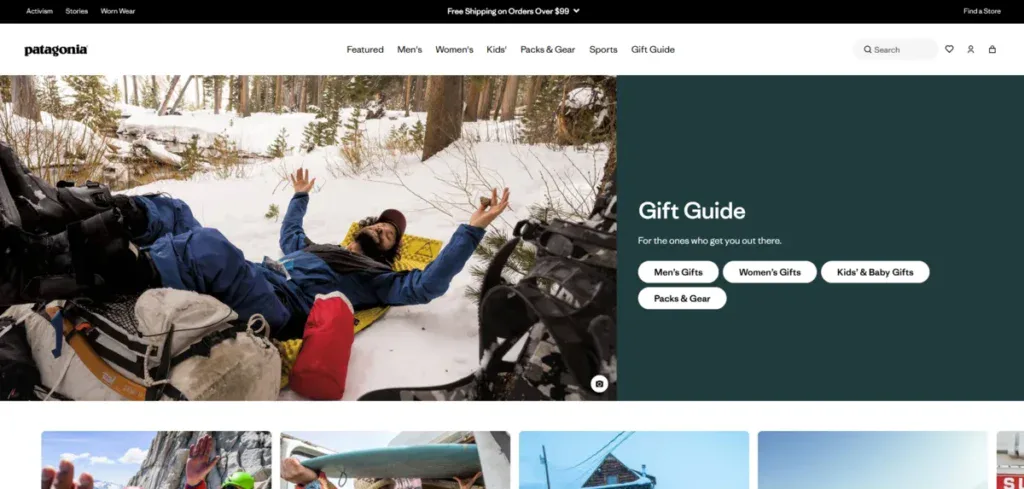
Patagonia has been, for decades, the go-to clothing brand for consumers who value a fully sustainable brand.
For Patagonia, sustainability isn’t a trend or a thing they do for views; sustainability is a foundational part of its identity.
As far as corporate branding examples go for sustainability, Patagonia is the benchmark.
Not only for other clothing brands but in general. They weave their commitment to the planet into their product design, messaging, governance, and activism.
Customers don’t just buy from Patagonia for its designs; they buy it to join a movement.
Brand Lesson: When your values are instantly backed by action, your brand becomes a purpose-driven community.
5. Tesla: Innovation and Brand Identity
While Tesla is popular because of its cars, the reality is that it has built itself around revolutionizing the future, not just making cars.
Even with increased competition in 2026, Tesla remains a pillar of innovation, disruption, and bold ideas.
What makes Tesla stand out from competitors is how it manages to stay relevant despite how competitive the EV market has become. Its brand identity thrives on futuristic minimalism. This means clean lines, bold interiors, and software-first ideas.
Tesla’s marketing is also very unconventional since it doesn’t run any traditional ads; it does little to no paid placement and instead focuses on founder visibility and public discourse to help it sell its products.
Whether consumers love it or hate it, they never ignore it altogether, which is a powerful branding outcome.
Brand Lesson: Category creators become brand leaders by shaping the conversation, not reacting to it.
6. Airbnb: Humanizing Through Emotions
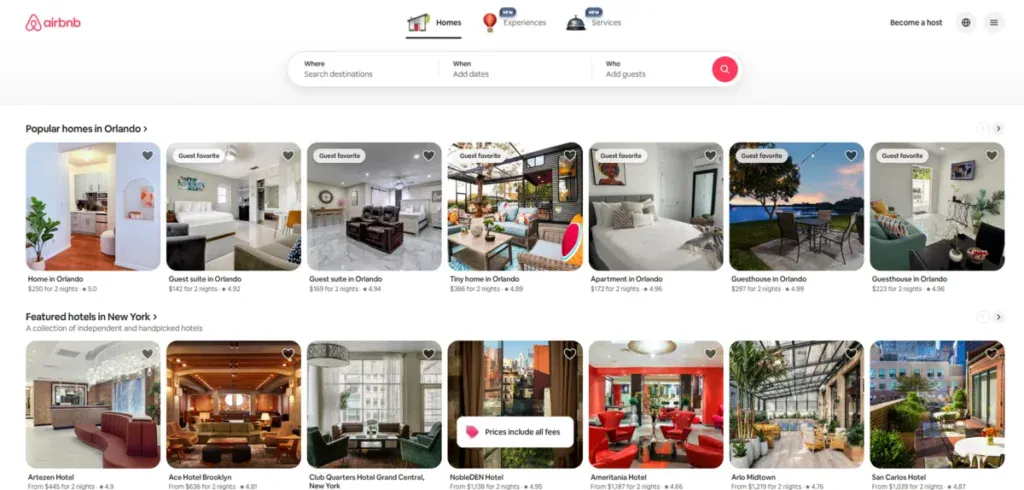
Airbnb’s core identity, “Belong Anywhere,” is one of the stronger corporate branding philosophies on this list. It transforms accommodation into connection, community, and cultural immersion.
Airbnb’s visual identity, illustrations, tone of voice, and even its photography style reflect warmth, hospitality, and inclusiveness. Every single interaction with it reinforces a sense of belonging.
They go the extra mile by curating experiences, creating responsible tourism initiatives, all while having a solid neighborhood style of storytelling. They excel as a brand because of how they connect with travelers by offering them more than lodging; they offer a life experience.
Brand Lesson: Resonating emotionally with customers is a fantastic way to build brand loyalty, especially in relatively new industries.
7. Coca-Cola
Very few brands can achieve a global cultural presence as much as Coca-Cola. From its red and white colors to its script logo, Coca-Cola as a brand is instantly recognizable no matter where you are in the world.
Most of its branding power comes from its consistent association with happiness, sharing, and nostalgia. Even as consumers start going for healthier options, the brand remains resilient because it owns emotional territory.
They continue to invest in cross-generational storytelling and heritage campaigns that help reinforce familiarity.
Brand Lesson: A brand becomes a universal and core pillar when it owns a simple emotional theme, such as nostalgia.
Explore how we boosted Coastal Community Banking’s direct traffic by 21.4% with a new brand strategy in our latest case study.
8. Amazon: Reliability and Convenience

Amazon’s corporate brand is built mainly on customer obsession, speed, convenience, and reliability.
In 2026, Amazon’s visual identity remains simple and to the point, but its experience remains strong.
Fast shipping, accurate tracking, seamless returns, subscription benefits, and extensive product reviews all contribute to its overwhelming brand trust.
Amazon Web Services also shapes the corporate identity by positioning Amazon as the backbone of global infrastructure.
Brand Lesson: A brand that removes friction and annoying steps becomes irreplaceable after a while.
9. Starbucks: Global Community and Sensory Branding
Starbucks invented the idea of “third place,” a space that is neither home nor work but feels welcoming and personal. The brand’s identity is built on customer experience, community, and comfort.
Starbucks is one of the better corporate branding examples due to how it excels at using sensory triggers. The aroma, sound, interior design, cup textures, and barista interactions all contribute to the overall experience it sells.
Brand Lesson: Experience-driven brands always outperform design-driven brands when they successfully make people feel something.
10. Netflix: Powered by Data, Creativity, and Culture
Netflix’s corporate brand identity is bold, modern, and heavily tied to storytelling. Its visual cues, the iconic “N,” and its unique tunnel intro animation all create a recognizable media experience.
In 2026, Netflix uses AI-driven personalization to deepen bonds with customers and increase brand relevance. Content recommendations reflect users’ specific tastes, making the brand feel individualized.
Netflix’s global content strategy also heavily strengthens its brand.
This means that it highlights stories from all over the world: Spanish dramas, Korean thrillers, Indian originals, and more.
The brand positions itself as a global entertainment platform rather than a U.S.-only streaming service.
Brand Lesson: Modern brands are more likely to win if they deliver experiences that feel unique to each individual instead of using a cookie-cutter approach.
11. Microsoft: Professional Modernity
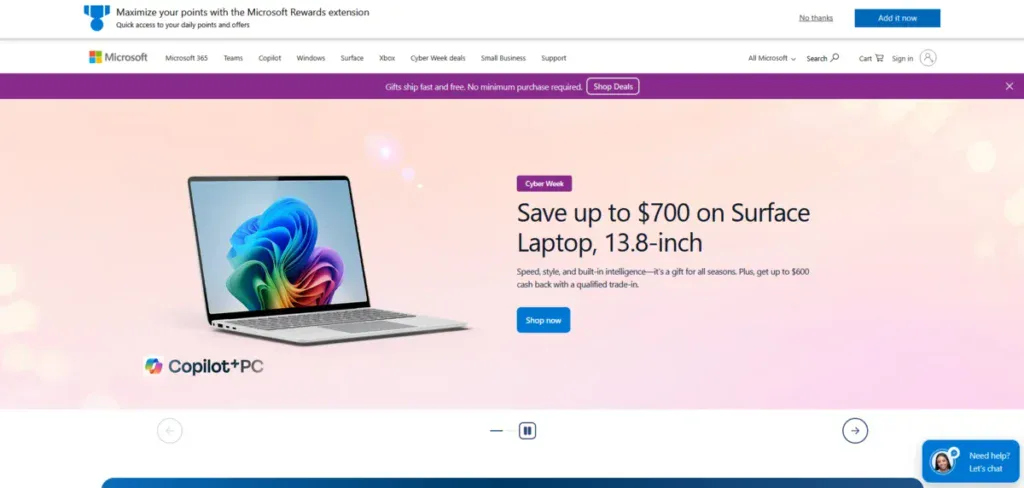
Microsoft has undergone one of the biggest brand evolutions in corporate history. Once seen as a rigid and corporate brand, it is now seen as a user-centric brand that focuses on cloud services.
In 2026, Microsoft emphasizes empowerment, workplace innovation, and inclusivity. Their use of color blocks, Fluent UI, and soft gradients all reflect modernity while maintaining their corporate credibility.
Its culture of innovation, diversity, and learning aligns with its corporate identity.
Brand Lesson: A legacy brand can transform and adapt to new marketing and branding strategies if it evolves with a goal in mind.
12. Disney: Immersive Storytelling
Disney’s corporate brand is built upon imagination, storytelling, and wonder. It is one of the very few companies whose branding consistently spans physical, digital, and emotional strategies.
From popular theme parks to their streaming platform to their retail products, Disney maintains cohesion across every single touchpoint.
In 2026, Disney continues to lead experiential branding through exceptional and immersive lands, interactive content, and narratives created around nostalgia.
Brand Lesson: Brands that are able to create a universe around them build lifelong loyalty among those interested.
13. BMW: Performance Precision, and Luxury Identity
BMW’s brand identity is crafted around engineering excellence, driving performance, and a premium lifestyle. Everything, including its visuals, bold typography, sleek photography, and metallic tones, reinforces its sense of precision and superiority.
For 2026, BMW balances the performance they are known for with modern electric mobility.
But instead of dismissing and abandoning their heritage, they reinterpret it for a new era.
BMW’s tone is always built around confidence, assertiveness, and aspirations. Speaking specifically to customers who see driving as a luxury experience rather than just a necessity.
Brand Lesson: Strong brands evolve by adapting their core values, not replacing them.
14. Spotify: Personalization, Creator Culture
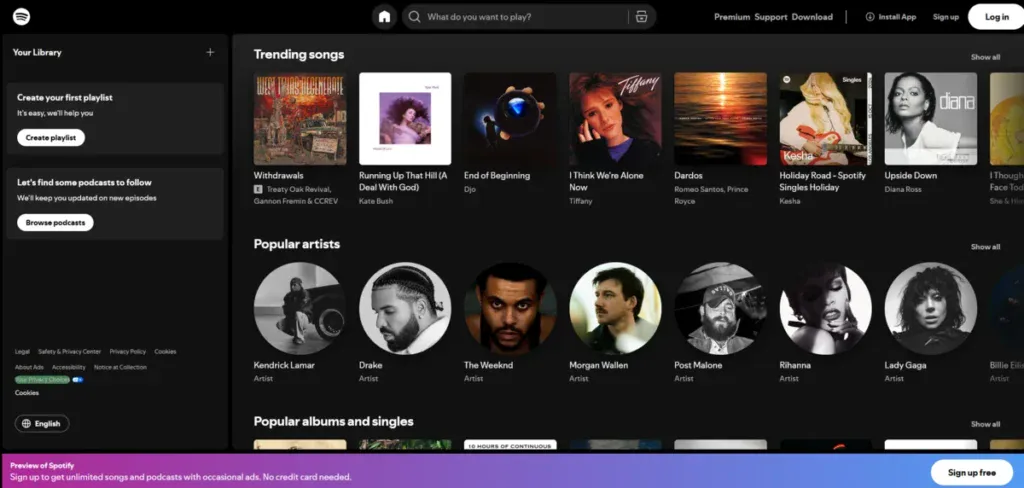
Spotify’s corporate brand thrives on cultural relevance, personalization, and connection. Its bold color palette, fluid gradient, and energetic motion graphics reflect youth, creativity, and individuality.
Spotify’s annual Wrapped campaign is now a yearly cultural event where it sends each user a list of their favorite artists, songs, genres, and more.
This is an amazing example of branding fused with personalization, sharing, and storytelling.
Spotify always positions itself as the go-to hub of global audio culture, connecting users with artists, podcasters, and communities.
Brand Lesson: Brands that highlight their user identity will instantly become a part of people’s lives.
15. IBM: Reinventing Legacy
IBM’s brand transformation is by far one of the most sophisticated corporate branding examples on this list and in history.
Once seen as a hardware-only company, IBM is now synonymous with AI, enterprise intelligence, cloud architecture, and security.
Its visual identity, mainly its striped logo, elegant typography, and deep blue palette showcase its stability and intelligence as a company.
In 2026, IBM’s branding is all about AI ethics, governance, and enterprise transformation. It balances modern innovation with a sense of reliability that big enterprise clients value and are looking for.
Brand Lesson: The strongest brands evolve through intelligent repositioning, not by drastic reinventions.
16. Samsung: Innovation at Scale
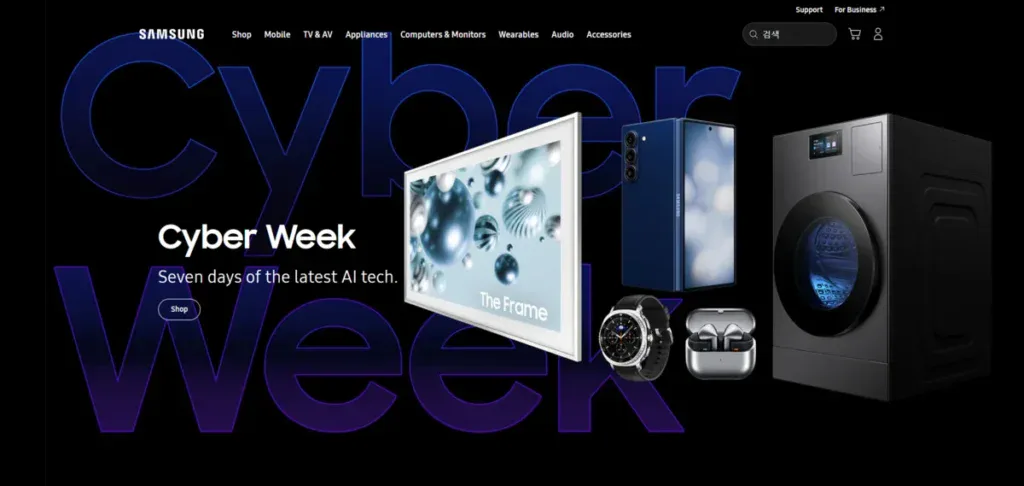
Samsung’s corporate branding is sleek, modern, and technology-forward.
But what sets Samsung apart is its ability to serve multiple market segments. From budget smartphones to high-quality flagship foldable devices to home appliances.
In 2026, Samsung’s visuals were focused on bold product photography and minimalist typography that reinforced its dedication to innovation.
Samsung’s branding is all about communicating confidence without exclusivity. It stands as a brand for everyone, everywhere.
Brand Lesson: A versatile brand thrives when it maintains its main goals and values throughout all of its categories.
Learn how we increased Bonanno’s rate of returning users by 642% with a new branding strategy in our recent case study.
17. Lego: Imagination, Creativity, and Generational Appeal
Lego is one of the most loved brands out there. Its core identity, creativity, and play resonate not only with kids but also with people of all ages and cultures.
The brand’s visual language is bright, iconic, and recognizable.
Even more important is its messaging, which encourages imagination and collaboration.
In 2026, Lego continues to expand through gaming, virtual experiences, and co-branding sets such as Star Wars, Marvel, NASA, and many others. This keeps the brand relevant regardless of people’s tastes.
Brand Lesson: When a brand aligns with a universal human emotion, it can go beyond culture and age.
18. Salesforce: Modern Enterprise Branding
Salesforce has slowly created one of the strongest B2B brand ecosystems in the world.
Unlike typical enterprise software, its branding is colorful, friendly, and very community-driven. This makes it a lot more welcoming than its competitors, making it the go-to company for important software solutions.
The Trailblazer ecosystem, which includes training paths, certifications, events, and mascots, creates a sense of community within the customer base. Salesforce’s goal is to turn software users into brand advocates.
In 2026, Salesforce’s identity is centered around trust, ethics, customer success, and AI growth.
With this in mind, Salesforce is positioning itself as the future of customer experience.
Brand Lesson: B2B brands win when they connect with individuals, not just workflows.
19. Zara: Fast Fashion Mixed with Minimalist Branding
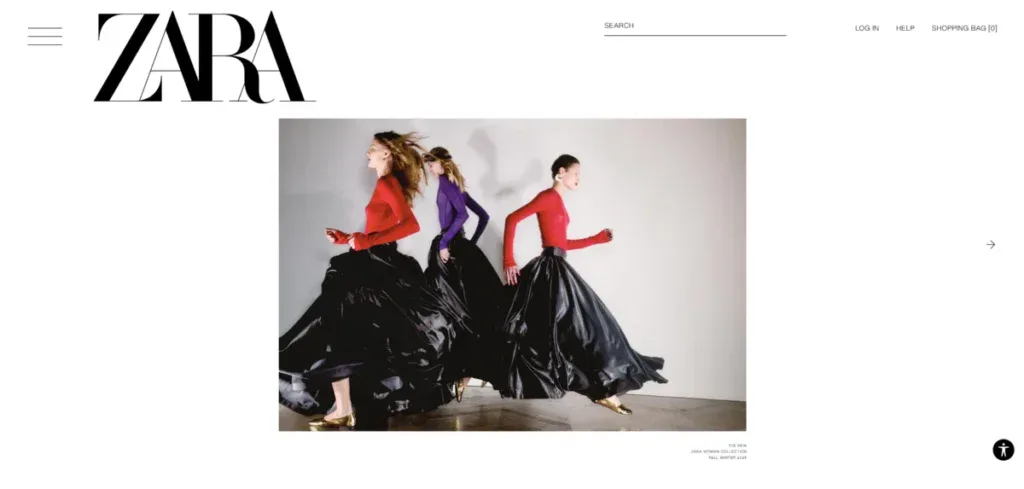
Zara’s brand identity is built on speed, trend responsiveness, and modern elegance. Its black-and-white palette and minimalistic typography convey a sense of luxury despite the affordable cost of its items.
In 2026, Zara maintains brand strength and relevance through striking and daring campaigns, editorial-style photography, and a very seamless omnichannel experience.
All of its stores serve as fashion galleries, reinforcing its stance as a sophisticated store.
Zara is also known for its use of data to optimize design cycles, which positions it as a future-ready fashion brand that minimizes losses.
Brand Lesson: A strong visual identity is what is needed to stand out and get clients interested.
20. Meta: Ecosystem and Branding for Future Generations
Meta’s brand centers on connectivity, digital identity, and digital innovation. Its unique logo symbolizes its goal of expanding its digital universe and presence.
In 2026, Meta has leaned heavily into AI, immersive communication, and integrated social ecosystems. Its branding strategy positions the company as a pioneer and visionary of the future of online interaction.
Meta’s biggest challenge and goal now is maintaining approachability while also integrating highly complicated infrastructures.
Brand Lesson: Brands that are shaping the future earn cultural authority.
Get a Converting Corporate Branding Strategy With Blacksmith
After going through this list of corporate branding examples, you might have noticed that every single company has a unique aspect that sets it apart from the others on this list and especially from its competitors.
But knowing what that aspect is and doubling down on it is not an easy task.
That’s where a corporate branding strategy can help your brand. Creating a brand strategy from scratch is a big project that can take you from several weeks to months of planning and execution.
That’s where we come in. Blacksmith is a corporate branding company with a group of digital experts to create the perfect branding strategy for your business.
Unsure if investing in a new corporate branding strategy is what your business needs? Click here to schedule a call with us and we’ll provide you with a free brand and website audit.
Our team will show you the areas where your branding might be holding you back as a company and how we can fix them.