



Your marketing budget might be feeding bots and fake clicks rather than reaching actual customers. Your business survival depends on learning to optimize PPC campaigns properly.
When it comes to how to optimize PPC campaigns, take Temu as an example. The company poured $15 billion into PPC ads. The “set and forget” approach to PPC campaigns no longer delivers results, especially with competition driving up costs and click prices surging 13% year over year.

Here’s a reality check: Most PPC campaigns fail because of poor strategy and misalignment, not budget constraints. Your campaigns might miss their targets despite substantial investment.
The bright side shows PPC ads can boost brand awareness by up to 80% with proper execution. However, fierce competition and escalating costs make sustainable PPC impossible without strong returns.
This piece offers you how to optimize PPC campaigns properly with practical strategies and real examples to help you stop wasting money on underperforming campaigns. You will find ways to make every click count, from setting meaningful metrics to fixing landing page friction points.
Trying to improve your PPC campaigns, but don’t know where to start? Let us help.
Set the Right Metrics Before Optimizing
PPC campaigns often fail because marketers track the wrong metrics or realize their mistakes too late. The right performance indicators make all the difference between wasted budgets and profitable campaigns when you start optimizations.
Why Clicks and Bounce Rate Can Be Misleading
Marketers tend to focus on surface-level metrics that look impressive but tell little about actual performance. Clicks might show interest, yet they don’t suggest whether visitors become leads or customers. Your budget can drain quickly with thousands of clicks that generate zero revenue.
The bounce rate proves tricky as a standalone metric. High bounce rates might point to usability issues, but this view can be deceptive. Consider the keyword intent level before making conclusions. Some high-intent searches lead to quick interactions, even if they don’t show poor performance.
Time on page can fool you, too. Users often leave tabs open while they interact for just seconds, making sessions appear longer. This misleading data guides optimization decisions that make results worse instead of better.
Better Metrics: ROAS, Scroll Depth, Engagement Time
When it comes to how to optimize PPC campaigns, Return on Ad Spend (ROAS) serves as the ultimate efficiency metric to measure PPC success. This metric shows the revenue generated for every advertising dollar spent. A campaign that spends $1,000 on ads and brings $5,000 in revenue has a 5:1 ROAS, suggesting a profitable campaign.
Most businesses want at least 4:1 ROAS, but your target should match your specific margins and business model.
Engagement time measures active user interaction with your site, not just open tabs. This metric helps businesses with longer sales cycles, especially when they have prospects who might convert later through retargeting.
Scroll depth shows how far visitors explore your landing pages. Deep scrolling suggests genuine interest in your content, while shallow engagement points to mismatches between ads and landing pages. These insights help you refine creative elements and targeting parameters.
Conversion rate remains crucial, but shouldn’t stand alone. A healthy conversion rate of 2-5% changes substantially based on your industry, offer, and audience. Quality indicators should always accompany conversion data to ensure you attract valuable customers, not just form fills.
How to Track Quality Traffic Using Tools Like Mouseflow
Mouseflow tracks quality traffic through behavioral analytics that reveal real user engagement with your site. The platform captures actual user behavior instead of just counting actions through:
- Session replays that display visitor interactions with your pages
- Heatmaps showing user clicks, movements, and scrolls
- Conversion funnels that track progression through key steps
The core team should install the tracking code on your site to measure campaign performance with Mouseflow. Filter your data by UTM parameters to isolate specific campaign traffic. This method reveals campaigns that drive genuine engagement versus those attracting low-quality visitors.
Mouseflow helps identify friction points where users struggle or leave. You can optimize both PPC targeting and landing page experience at once by analyzing these patterns.
The right metrics create a feedback loop between upper-funnel media performance and lower-funnel business results. Your optimization efforts focus on what counts: profitable customers. This is better than wasting money on vanity metrics.
Cut Out Low-Quality Traffic Sources
Your PPC budget can quietly disappear into audience networks without giving you quality results. Google doesn’t deal very well with low-quality traffic in these placements, particularly in Performance Max campaigns. Knowing how to spot and remove these problematic traffic sources is vital to making your campaign work.
What are Audience Networks and Why They Hurt Performance
Audience networks show your ads beyond search results on third-party websites and apps. Search ads reach users actively seeking solutions. In contrast, audience network ads appear based on demographics and interests, without any search intent. This key difference often causes substantial performance issues.
The biggest problem? These networks, when left unchecked, create a dangerous cycle. The more bad leads you accept, the more the algorithm learns to find similar traffic.
How to Disable Audience Networks on Major Platforms
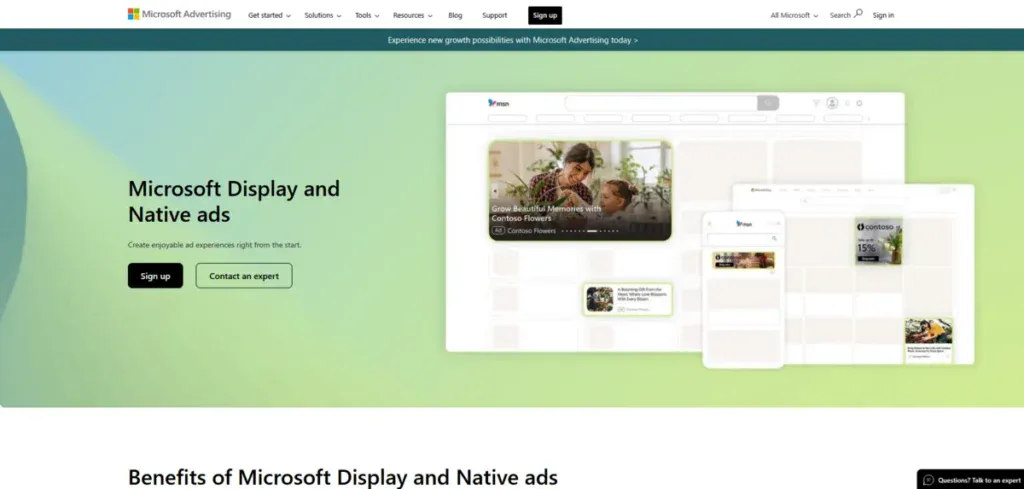
Microsoft has made it harder to disable audience networks by removing the campaign-level opt-out option. However, several methods still work:
To opt out of Microsoft Ads completely through support:
- Contact Microsoft Ads Support directly
- Ask to opt out of Audience Network placements entirely
- Wait for their engineering team to process your request
You can also use website exclusion lists:
- Go to Reports > Templates > Targeting and Placements > Website URL
- Spot underperforming websites
- Go to Tools > Content and Data > Content Suitability
- Create an exclusion list (limit: 10,000 URLs per list, three lists maximum)
Quick results come from excluding these common Microsoft-owned domains: msn.com, bing.com, outlook.com, and outlook.live.com
Google Ads needs these preventative steps:
- Review Performance Max placement reports
- Block foreign language websites, mobile app inventory, and made-for-advertising sites
- Use IP exclusions for fraudulent traffic sources
- Add negative keywords and audience exclusions
- Add qualifying form fields to filter out low-intent leads
Signs Your Campaign is Affected by Poor Placements
Your campaign might have audience network quality issues if you notice:
- High spend with low conversion rates, specifically from audience placements
- Unusually high click volume without corresponding engagement metrics
- Geographic mismatches between your target market and traffic sources
- Traffic from irrelevant websites unrelated to your industry
- Conversion metrics are significantly worse than search network performance
Run regular website URL (publisher) reports that show impressions, clicks, spend, and conversions for each placement. Sort this data by performance metrics to quickly find problematic sources.
Note that optimization needs constant watchfulness. Make exclusion list management part of your regular campaign maintenance, just like keyword optimization or bid adjustments.
Stop Campaigns That Don’t Engage Users
Your marketing ROI suffers when you waste budget on PPC campaigns that don’t connect with users. You need to look deeper than basic metrics like clicks or impressions to decide which campaigns deserve the ax.
How to Assess Engagement Time and Scroll Depth
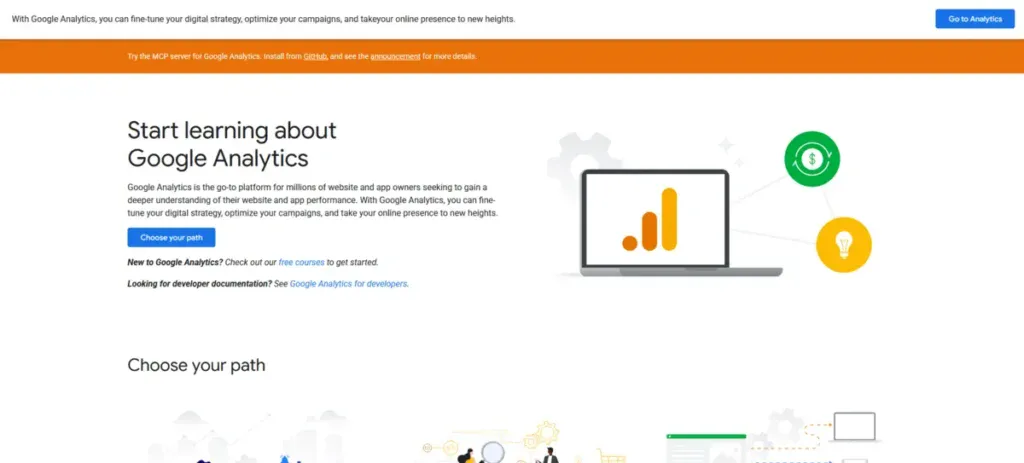
Google Analytics helps you track real user engagement through active interactions instead of passive page views. Warning signs show up if average engagement time falls below 30 seconds. This means your messaging or targeting may need improvement.
Heatmap tools show you exactly how users interact with your content. Struggling campaigns typically show these patterns:
- Only a quarter of users see important conversion elements
- Users barely interact with critical page sections
- Visitors leave before seeing your value propositions
You should monitor these metrics by campaign source to spot which PPC efforts bring quality visitors versus casual browsers.
Smart Timing for Campaign Adjustments
Your campaigns need immediate pausing if:
- Your cost per acquisition goes 20% above the profit margin
- Average engagement time drops under 15 seconds
- Bounce rates stay above 85% after optimization
- Performance keeps declining over two weeks
Before pulling the plug completely, try these targeting tweaks:
Target more specific, high-intent audience segments first. Then run your ads during peak engagement hours. You can also add qualifying questions on landing pages to screen out casual visitors.
Let your adjusted campaigns run for 7-10 days. Move your budget to better campaigns if engagement doesn’t improve after these changes.
Sensorem’s 2x Conversion Improvement
Sensorem, a B2B security software provider, saw terrible engagement despite getting plenty of clicks. Their stats showed:
- 3-second average engagement time
- 10% scroll depth
- 0.5% conversion rate
The team created a three-step fix: They stopped all campaigns with less than 10 seconds of engagement. Next, they built new landing pages with targeted industry messaging. Finally, they focused on decision-makers at larger companies with 100+ employees.
Their PPC performance took off, engagement jumped to 45 seconds, scroll depth reached 65%, and conversion rates doubled to 1.1% in just 30 days.
This success story shows how cutting weak campaigns lets you focus on ones with real potential. The money saved from poor campaigns ended up funding their most successful efforts.
Test And Improve Your Ad Creatives
Creative elements can make or break your PPC campaigns. Nielsen research shows that creative contributes a whopping 47% to ad effectiveness. This percentage is way beyond reach (22%) and brand (15%). The right optimization of these elements separates wasted spending from exceptional returns.
Why A/B Testing Is Essential for PPC Optimization
A/B testing takes the guesswork out of your PPC strategy. It gives you solid data about what strikes a chord with your audience. You create two or more versions of an ad and show them to different audience segments. This helps you compare performance metrics. The results let you make decisions based on data rather than assumptions.
Your budget becomes more efficient with this approach. You can put your money into proven winners once you spot high-performing variations. A systematic testing approach helps you find which elements get people involved. This lets you keep improving campaigns without making pricey mistakes.
What to Test: Headlines, Visuals, CTAs
Headlines should be your priority because users notice them first. Different messaging styles, tones, and lengths help identify what grabs attention best. You might want to test promotional against informational approaches. Question-based headlines versus statements work too.
Visual tests should include different color schemes, photos, videos, and graphics. Visual elements trigger emotional responses that affect user behavior a lot. Testing different formats shows which visual approach gets the strongest engagement from your specific audience.
CTA testing shows which phrases get people to act. “Buy Now” might work better than “Learn More” – or the other way around. The data shows that even small changes in CTA wording can transform conversion rates.
Testing rules to follow:
- Set clear goals for each test
- Change only one variable at a time
- Gather sufficient data before drawing conclusions
- Document results for future campaigns
How to Analyze Creative Performance Beyond CTR
CTR tells only part of the story about creative performance. A higher CTR might show attention-grabbing elements, but it says nothing about what happens after the click. A detailed analysis should look at post-click behavior metrics.
Look at the conversion rate alongside CTR. This shows which creatives not only get clicks but also drive meaningful actions. High clicks with low conversions usually point to a mismatch between ad promises and landing page experience.
Metrics like scroll depth and time spent show if your creative brings in truly interested prospects. This data helps you spot which ad variations attract quality traffic instead of just casual browsers.
The ROAS for each creative variation reveals its true business effect. Creative elements that bring higher ROAS, even with similar CTR, should get more space in your campaigns.
Fix Friction and Errors on Your Landing Pages
Perfect ads can fail when visitors get frustrated with landing pages. PPC marketers spend big money on campaigns but see poor results because landing pages have unclear CTAs or bad design.
What is Friction and How It Affects Conversions
Friction stops users from taking action on your landing page. Slow load times, unclear offers, long forms, and missing trust signals create friction points. These problems hurt conversions because prospects hit roadblocks between interest and action.
Your ads build expectations that weak landing pages fail to meet. This disconnect affects your campaign’s ROI directly. High-performing landing pages outperform regular websites by 300-700% in PPC conversion efficiency.
Using Session Replays to Find User Drop-Off Points
Session replays show you exactly how users interact with your landing page. They give insights you can’t get from analytics alone. Tools like Mouseflow track visitors’ actions from start to finish. You can filter recordings by traffic source to see specific campaign visitors.
Look for replays with high “friction scores” that show frustrated users. These recordings reveal where prospects get stuck and what confuses them. You’ll see the exact spot where they leave your conversion path.
Set up Error Tracking to Catch Broken Elements
Technical errors silently kill conversions. Failed payment methods, broken add-to-cart buttons, and form submission errors destroy campaign performance. You need error tracking tools that alert you about JavaScript errors.
Set up hourly alerts for major error spikes to catch issues fast. Share error recordings with your dev team to show them what went wrong. This approach stops you from losing conversions due to broken elements that analytics might miss.
Get a Custom PPC Campaign That Converts With Blacksmith
PPC campaigns just need constant refinement and strategic oversight to deliver genuine business value. Our exploration of proper optimization shows it’s way beyond the reach and influence of surface-level adjustments. Casual campaign management no longer exists. Your success depends on measuring what truly matters.
For orthodontists looking for how to optimize PPC campaigns for their clinic, it can be difficult to fully grasp everything they need to do while also managing their clinic. PPC campaigns can take dozens of hours per month to properly maintain, and that’s without adding all of the setup needed beforehand.
This is time you could be using on other aspects of your clinic, so now what?
That’s where we come in. Blacksmith is a Professional Orthodontist PPC Agency with a group of seasoned digital marketers ready to create the perfect PPC campaign for your clinic. From using all of the optimizing tips on this list to adding industry-specific changes to the campaign to improve its effectiveness, we will ensure your clinic gets the reach it deserves.
Still unsure if investing in a custom PPC campaign is what your clinic needs to thrive? Don’t worry, schedule a call with us, and we’ll provide you with clear comparisons of what your competition is doing. This way, we can give you ideas for PPC campaigns that directly counter your competition.