


In today’s competitive digital commerce world, personalization is no longer optional; it’s a must. Modern consumers don’t just want convenience; they expect brands to know what they want, what their preferences are, and what to anticipate regarding their behaviors in real time.
That’s where AI personalization tactics for eCommerce come into play.
Artificial intelligence is fundamentally reshaping how online stores interact with customers. Instead of static experiences, brands can now provide a dynamic, data-driven journey that adapts in real time. w
From predictive recommendations to behavioral targeting, AI allows eCommerce businesses to operate with a level of precision that used to be impossible.
According to recent data, personalized experiences alone can increase conversion rates by up to 20-30%. The question isn’t whether to implement AI personalization, but how to do it effectively.

This article goes over nine of the best AI personalization tactics for ecommerce that leading brands are using to increase revenue, improve user experience, and build long-term customer relationships.
Trying to improve your ecommerce website, but don’t know where to start? Let us help.
1. Predictive Product Recommendations That Anticipate Intent
One of the most powerful AI personalization tactics for ecommerce is predictive product recommendations. AI-driven systems differ from traditional widgets like “related items.” They analyze historical data, browsing behavior, and purchase patterns. They also consider contextual signals to predict what a customer might buy next.
Recommendations show up throughout the user journey. They appear on homepage feeds, product pages, cart pages, and post-purchase emails.
What truly differentiates this tactic is how effective it is by moving beyond reactive suggestions. Instead of only responding to what a user clicked, AI anticipates their intent before it is fully expressed. This drastically reduces friction and shortens the path to a successful purchase.
For example, if a user looks for athletic apparel and has checked out running shoes, the system might focus on performance gear. It could also suggest accessories or related products like fitness trackers.
Advanced systems identify micro-intent signals. For example, they track how long a user hovers over a product. They also note how quickly users scroll past categories.
From a revenue perspective, predictive recommendations significantly reduce cognitive load. The website shows users’ likely choices without needing to search or filter.
This shortens the decision-making process. It also boosts conversion rates and average order value.
When used well, this tactic is highly scalable and impactful for eCommerce. It affects almost every stage of the customer journey.
2. Dynamic Homepage Experiences Tailored to Each User
The homepage design is usually the first thing people see from an eCommerce brand. But with AI personalization, it doesn’t have to stay the same.
AI-powered homepage personalization systems continuously adapt the layout, messaging, product placement, and promotional content based on user-specific data.
This includes known variables like whether a visitor is new or returning. It also covers inferred traits, such as interests, buying power, and browsing intent.
For returning users, the homepage might prioritize recently viewed items, restock alerts, or more personalized collections based on past purchases. For first-time visitors, AI can analyze referral sources, such as whether the user arrived via a social ad, organic search, or email, then adjust accordingly.
AI can test different homepage versions at the same time. It learns which banners, product grids, and calls to action get the most engagement. Over time, this creates a self-optimizing system that continuously improves performance.
This adaptability changes any homepage from a basic entry point into a smart conversion tool.
3. Personalized Search That Improves Conversion Accuracy
Search is a key high-intent touchpoint in eCommerce. Using AI personalization with search can greatly boost its effectiveness.
Traditional search engines depend on keyword matching and simple ranking rules. This often misses user intent. AI-driven search, however, introduces semantic understanding and behavioral context into the equation.
When a user submits a query, the system goes beyond keywords. It looks at past interactions, preferred price ranges, brand preferences, and engagement patterns. This lets search engines reorder results in a way that aligns better with what a user is most likely to click on and purchase.
Two users searching for “black sneakers” might see different results. This depends on what they looked at in their last session. One might see premium designer options, while another might see budget-friendly athletic styles.
This level of personalization cuts down friction. It also reduces irrelevant results and makes the path to conversion more efficient. In most cases, it can also increase trust, as users feel that the platform “understands their preferences.”
4. Real-Time Behavioral Targeting That Adapts Instantly
One of the most transformative aspects of AI personalization tactics for ecommerce is the ability to respond to user behavior as it happens.
Traditional personalization often relies on historical data, which, while useful, introduces a lag between user intent and brand response. Real-time behavioral targeting eliminates that gap. AI systems constantly gather live session data. They track scroll speed, cursor movement, dwell time, click hesitation, and navigation patterns. This information quickly forms an evolving profile of user intent.
This lets ecommerce platforms shift from reactive to adaptive experiences. If a user shows indecision, like switching between product options or going back to the same category, AI can step in with helpful nudges. These can include small trust signals, like reviews. They might also be dynamic urgency indicators or personalized incentives based on how likely the user is to convert.
What makes this powerful is not only how responsive it is, but also its precision. Instead of deploying blanket pop-ups or generic exit offers, the system evaluates behavioral thresholds before taking action. A high-intent user may get a small nudge to keep the purchase going. But a low-intent or distracted user might require a stronger prompt to get back on track.
This layer of real-time intelligence cuts abandonment rates and boosts session efficiency. It ensures that every single interaction is contextually aligned with what the user is experiencing in that exact moment.
5. AI-Powered Email Personalization at Scale
Email marketing is a lot more effective when it evolves from only segmentation into fully individualized communication. This is something that modern AI personalization tactics for eCommerce make possible.
In the past, email strategies mainly relied on predefined audience segments such as “new users, repeat buyers, or inactive customers.” While useful, these categories fail to capture the nuance of individual behavior. AI replaces the static structure with dynamic personalization at the user level.
You can now write each email in real time. This uses behavioral signals, transaction history, engagement patterns, and predictive models. This means that two users in the same “segment” can get different emails, products, messages, layouts, and tones. This happens because the system decides what will resonate best.
Timing is also extremely important. AI doesn’t just personalize content; it optimizes delivery. By analyzing when users generally open emails, browse products, or complete purchases, AI can schedule sends at the moment of highest receptivity. This significantly increases open rates and downstream conversions.
Over time, these systems also become predictive. They can identify when a user is entering a reactivation window, when they are likely to churn, or when they are primed for a repeat purchase.
Instead of reacting to inactivity, brands can proactively engage users with precisely timed, highly relevant messaging.
In AI personalization for eCommerce, email changes. It moves from a campaign tool to an automated revenue engine driven by behavior.
6. Smart Pricing and Offer Optimization
Pricing strategy in ecommerce is tough to balance. AI personalization now adds a level of customization we couldn’t achieve a few years ago.
AI allows for personalized pricing strategies. Instead of using blanket discounts or promotions, it focuses on behavioral economics and predictive modeling. The system looks at signals like browsing frequency, cart abandonment, product interest, and past reactions to discounts. This helps it figure out how sensitive a user is to price changes.
This lets brands move away from basic blanket discounts and toward precision-based incentives. A user who shows strong purchase intent but hesitates at checkout may get a special offer. This offer can help encourage them to complete their purchase.
A loyal customer might respond better to exclusivity. They appreciate early access, limited releases, and loyalty perks. Price cuts may not be as effective for them.
Timing is just as important as everything else. AI is constantly testing when an offer should be introduced within the customer journey. If you present it too early, users can start expecting discounts, while sending it too late risks losing the sale entirely. AI refines this timing dynamically, ensuring that offers are deployed at the point of maximum influence.
This not only increases conversion efficiency but also protects long-term profitability. This makes it one of the most valuable AI personalization tactics for eCommerce this year.
7. Personalized Bundling and Upselling Strategies
Upselling and cross-selling have long been staples of ecommerce, but with AI personalization tactics for ecommerce, these strategies evolve into highly contextual, user-specific experiences.
Traditional bundling generally relies on generalized patterns, such as products that are bought together across the whole customer base. While this works and is effective, it lacks individual relevance. AI completely changes this by analyzing both macro-level trends and micro-level user behavior simultaneously.

The system evaluates not only what products are commonly paired but also how a user interacts with said products. It will consider factors such as browsing sequences, time spent evaluating certain categories, prior purchases, and even inferred preferences like brand affinity or lifestyle indicators.
This results in bundles and upsell suggestions that feel curated rather than transactional. A customer exploring premium skincare products, for example, may be presented with a regimen tailored to their browsing behavior rather than a generic set of add-ons.
This amount of personalization has two main effects. It increases average order value by showing relevant products, while also enhancing the value of the shopping experience. The user is not just being sold to, but instead is being guided.
AI-driven bundling represents a clear shift from sales optimization to experience optimization, which is a defining characteristic of advanced AI personalization tactics for eCommerce.
8. Conversational Personalization Through AI Chatbots
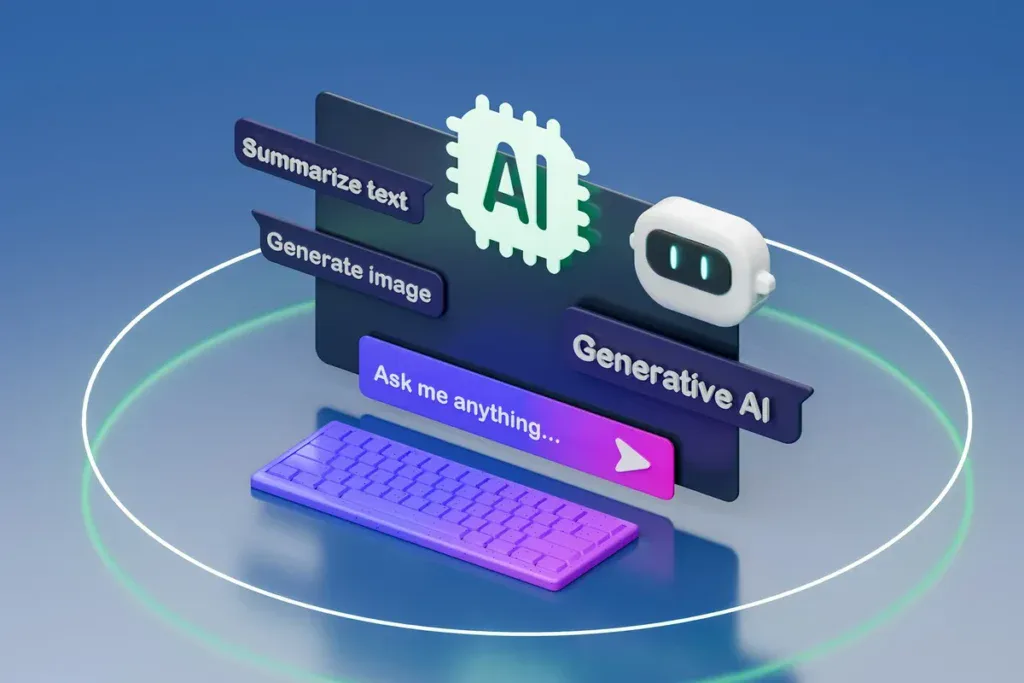
The role of AI chatbots within AI personalization tactics for ecommerce has expanded significantly, moving far beyond basic customer support into the realm of guided selling and real-time personalization.
Modern conversational AI systems are capable of interpreting natural language, understanding intent, and accessing user-specific data to deliver tailored interactions. This creates a dynamic interface where users can fully express their needs in their own words and still receive highly relevant recommendations instantly.
What distinguishes these systems is their ability to contextualize conversations. A returning customer might receive recommendations based on past purchases, while a new user might be guided through a discovery process that narrows down options based on preferences and constraints.
These interactions often mirror the experience of an in-store associate. The chat bot can ask clarifying questions, provide comparisons, highlight key differentiators, and even address specific objections, all without breaking the conversation’s flow.
This reduces overall friction in high-consideration purchases, where users might need reassurance or more information before fully committing. It also shortens the decision-making cycle by presenting curated options from the start instead of overwhelming users with options.
As part of a broader strategy, conversational AI becomes a critical touchpoint in delivering seamless, human-like personalization at scale.
9. Post-Purchase Personalization That Drives Retention
One of the most underutilized yet impactful applications of AI personalization tactics for ecommerce lies after a customer has bought a product.
While many ecommerce strategies focus on acquisition and conversion, long-term profitability is driven by retention and customer lifetime value. AI allows brands to further extend personalization beyond the first transaction, which creates a continuous engagement loop.
After a purchase, AI systems can analyze product usage patterns, purchase frequency, and behavioral signals to determine what the customer is likely to need next. This can be something simple, such as a replenishment reminder timed to usage cycles or complementary product recommendations that align with what they bought last time.
Additionally, AI can identify early indicators of disengagement. A drop in browsing frequency, reduced email interaction, or changes in purchase cadence can all signal potential churn. Instead of reacting after a customer is lost, brands can intervene with personalized re-engagement strategies.
This phase is also vital for reinforcing brand loyalty. Personalized onboarding content, loyalty rewards, and exclusive offers create a sense of ongoing value that extends beyond the initial purchase.
Ultimately, post-purchase personalization transforms an eCommerce transactional model into a relationship-driven model, one where each interaction slowly builds long-term engagement.
Get a Custom eCommerce Website That Converts with Blacksmith
After going through this list of the top 9 AI personalization tactics for eCommerce, it’s clear that AI is the future of eCommerce. Applying these tactics is a must for any competitive brand trying to improve its overall conversion rate.
But we’ll be honest with you here. These AI personalization tactics for eCommerce aren’t a two- or three-day project to apply. These take time and effort to truly implement and maintain. This is time you could be using on other aspects of your business, so what now?
That’s where we come in. Blacksmith is a Professional eCommerce Web Design Company with a group of seasoned web designers and developers ready to implement all of these AI tactics into a new or existing website.
Still unsure if AI eCommerce personalization is what your business needs? Don’t worry, schedule a call with us, and we’ll provide you with a full website audit. This way, we can show you the areas where AI can increase your conversion rate and how we would implement it.